La Vuelta
La Vuelta a España is one of the three grand tours of international cycling, alongside the Tour de France and the Giro d’Italia. First held in 1935, it takes place annually and is known for its varied and unpredictable route, with short and intense stages, explosive finishes, and a strong Spanish identity. Over the decades, La Vuelta has become synonymous with excitement, bold attacks, and dramatic twists in the general classification.
The race crosses several regions of Spain, highlighting the country’s geographical and cultural diversity. From wind‑exposed plains to demanding mountain ranges, the route is designed to challenge every type of rider. Mountain stages, in particular, are often decisive and play a central role in shaping the narrative of the race.
It is in this context that the region of Asturias takes on a prominent role. Known for its narrow roads, brutal gradients, and unstable weather, it creates ideal conditions for unforgettable stages. The green, mountainous landscapes contrast with the harshness of the terrain, offering a unique setting for both athletes and spectators.
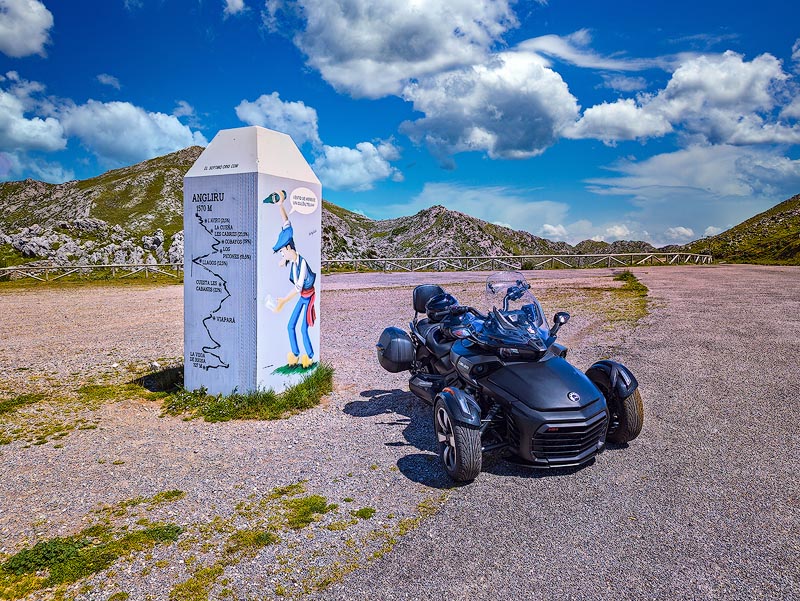
Legendary climbs such as Covadonga Lakes, Alto de l’Angliru, La Farrapona, and Alto del Naranco have become part of La Vuelta’s history. These ascents, with extreme gradients and relentless pacing, have decided editions of the race and crowned great champions, becoming true icons of world cycling.
The passage of La Vuelta through Asturias is always awaited with great enthusiasm. Beyond the sporting impact, these stages promote the region internationally, showcasing its tourism, culture, and local identity. For many fans, the Asturian stages represent the purest spirit of La Vuelta: tough, unpredictable, and absolutely epic.
More information
Official page of La Vuelta a España
record of all Asturian climbs featured in La Vuelta
Wikipedia with all historical and statistical information
Leave a message