
Six and Seven years with the Thing
October 2025
Summary of the last two years, during which the Spyder only accumulated around 4,350mi7,000km of travel.
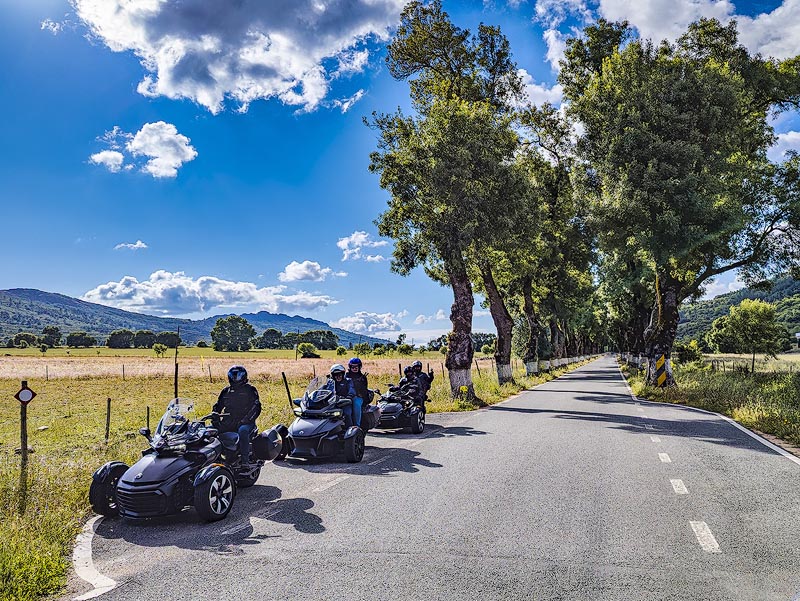
The year 2024 was relatively active (about 3,728mi6,000km in total), highlighted by the organization in May of the third group ride with the Can Am On-Road Portugal Riders, where we explored the beautiful region of Alto Alentejo. It was a very pleasant weekend with an overnight stay in the charming border town of Marvão. Two days spent in great company, riding through Alpalhão, Nisa, Castelo de Vide, Marvão, Alegrete, Aronches, and Portalegre.
In July, we headed to the Asturias, a region that never disappoints. It was a long-standing plan — a crossing that included more than two dozen "puertos" (mountain passes) ranging from 3,281ft1,000m to 6,234ft1,900m in altitude, including the infamous and grueling Alto de El Anglirú. We started in Léon, climbed near Oviedo, and meandered westward through the parks of Ubiñas-La Mesa, Babia y Luna, and Somiedo, reaching the “border” with Galicia. The return trip included stops in Ponferrada (to visit its fabulous castle) and Puebla de Sanabria... A wonderful ride.
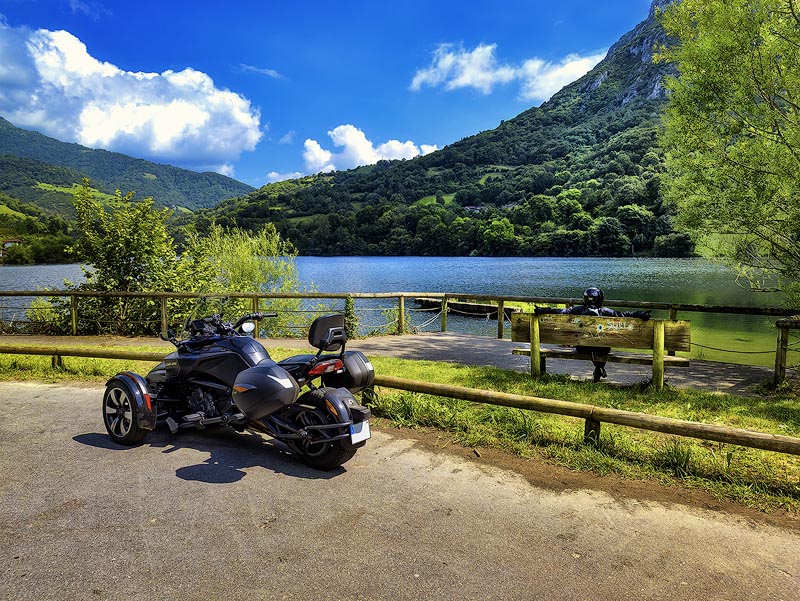
The rest of the year consisted of short local rides without luggage, just for the joy of riding.
Also in 2024, the usual oil and filter change was performed. The oil used was the same as in previous services — the American Amsoil Metric SAE 10W40, purchased from everymotors.pt in Ponte da Barca, at a cost of €92.46 (about 6.0qt5.7l). The oil filter and the kit of washers and O-rings were bought from the official dealer Benimoto for €63.19. The air filter, being a reusable K&N, was simply cleaned and re-oiled.
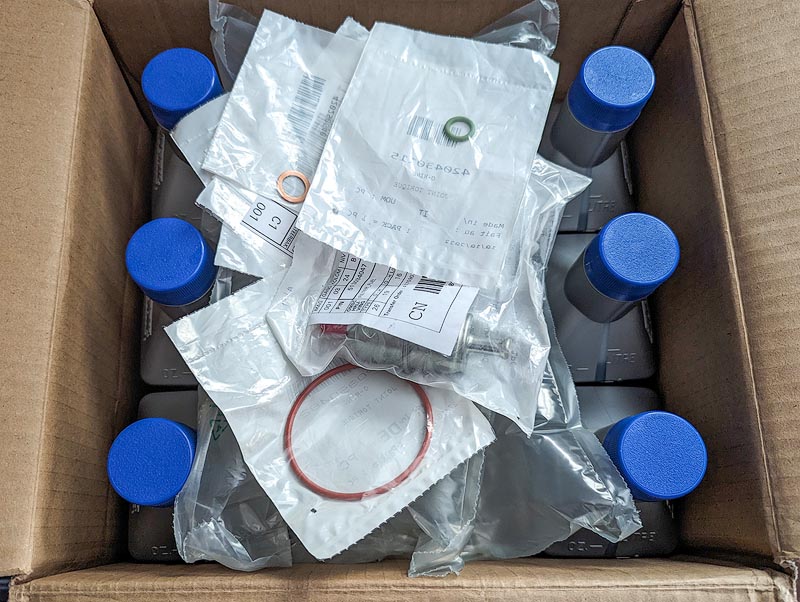
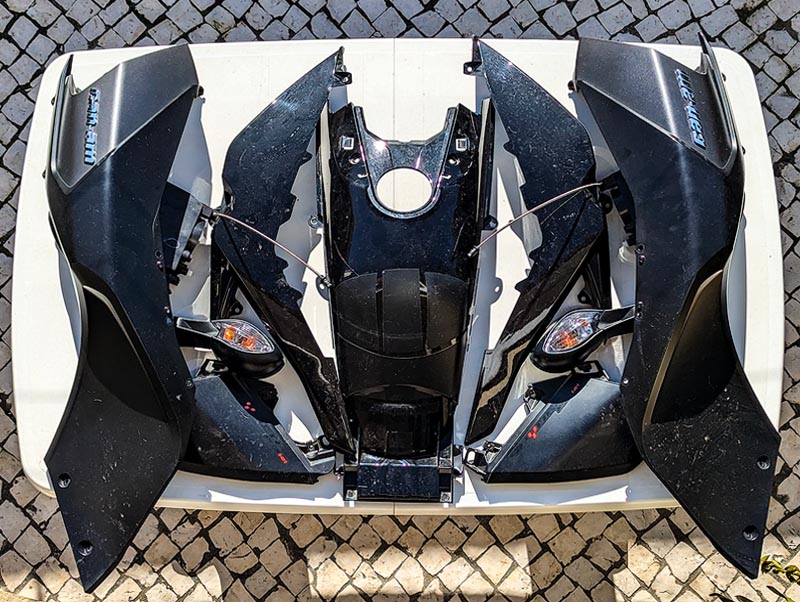
At the beginning of 2025, the Spyder was about 311mi500km shy of 31,069mi50,000km, and it was time to replace the spark plugs, EVAP cannister, and fuel filter. A challenging task that required disassembling all panels, mirrors, headlights, and the air filter...

The spark plugs, with nearly 31,069mi50,000km, were in excellent condition and burning well.
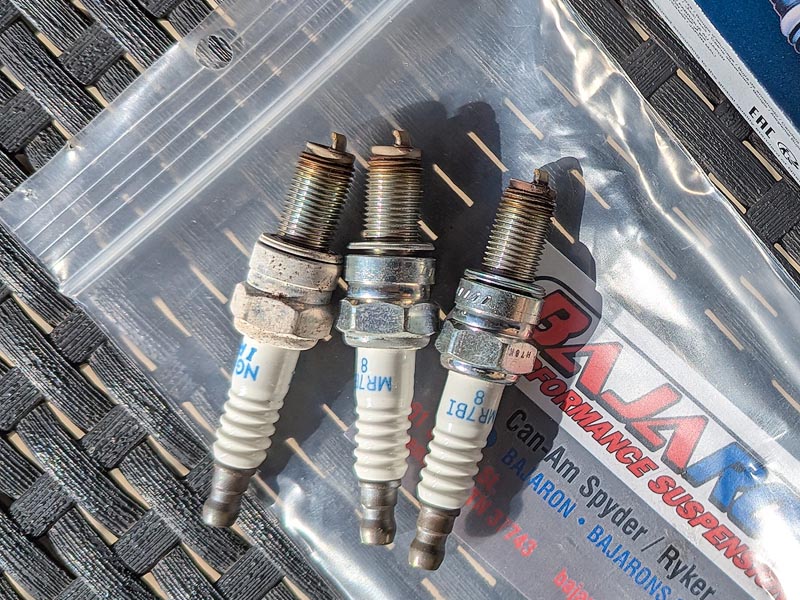
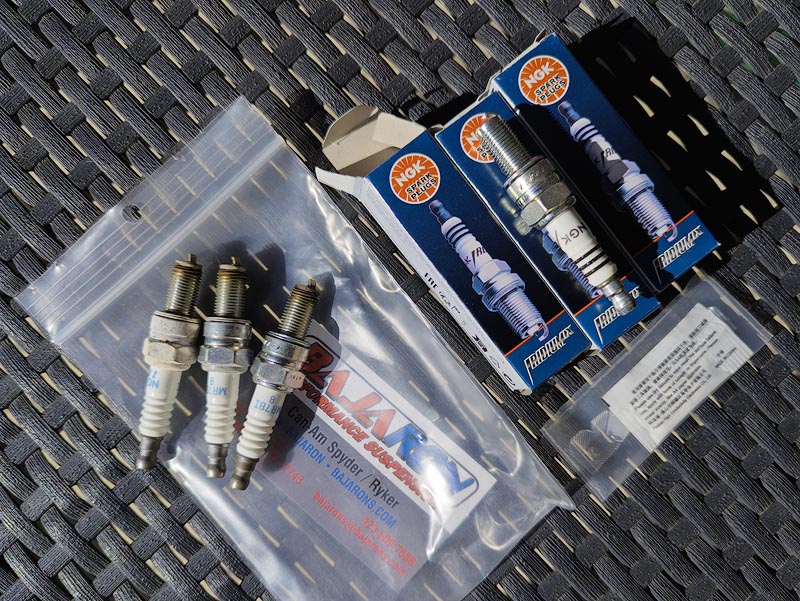
They were replaced with NGK Iridium IX plugs (kit ordered from the U.S. via BajaRon), replacing the factory-installed NGK Laser Iridium (ref. MR7BI-8). Both are top-tier iridium spark plugs. Iridium allows for lower ignition voltage and is an extremely robust and durable metal with a very high melting point (+4,532ºF2,500ºC). The difference between the two (IX vs Laser) is that the former is performance-oriented, while the latter is built for longevity — which is confirmed by their excellent condition after 31,069mi50,000km, still capable of many more kilometers.
The fuel system includes a small filter at the tank outlet and a vapor recovery system that channels gasoline vapors to an activated charcoal filter, which then redirects them into the engine for combustion (known as the EVAP – Evaporative Emission Control system). The fuel filter is a small mesh filter designed to capture larger impurities from the fuel tank.
The EVAP system is more complex and operates both when the engine is off and running, preventing the release of harmful hydrocarbons into the atmosphere and improving efficiency by recycling gasoline vapors. All modern gasoline engines are required to use this system.
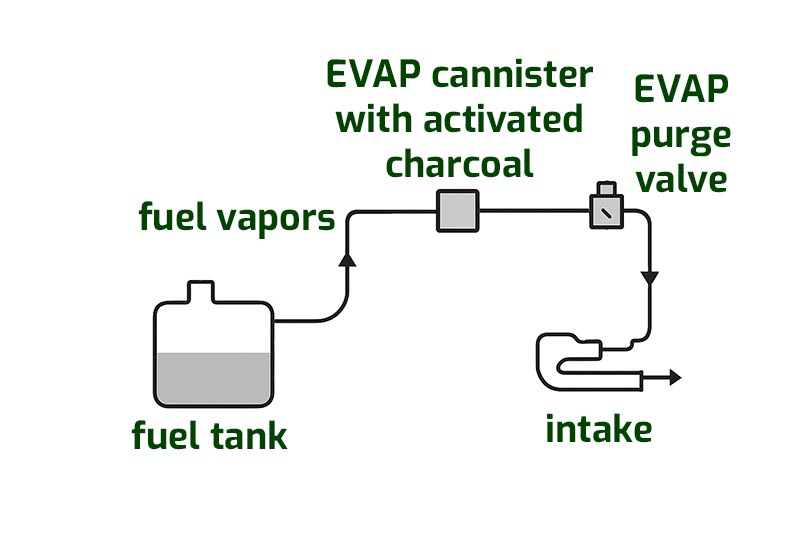
With use, the fuel filter tends to clog and the charcoal EVAP cannister loses efficiency, hence the need for replacement.
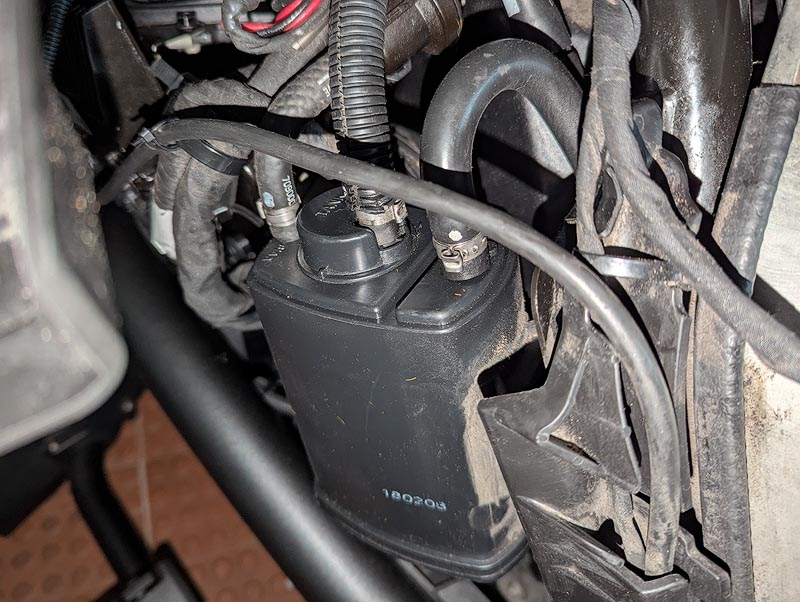
It was undoubtedly a labor-intensive maintenance job, but it was done thoroughly according to the manual.
After that, the Spyder covered very few mile, ending the year with just over 31,069mi50,000km — not because we wanted it that way or due to lack of time, but due to a major reason that deserves its own isolated post...
Finally, the statistics. With around 31,069mi50,000km, nothing much changed compared to two years ago, settling at 34.6mpg(US)6.8l/100km.
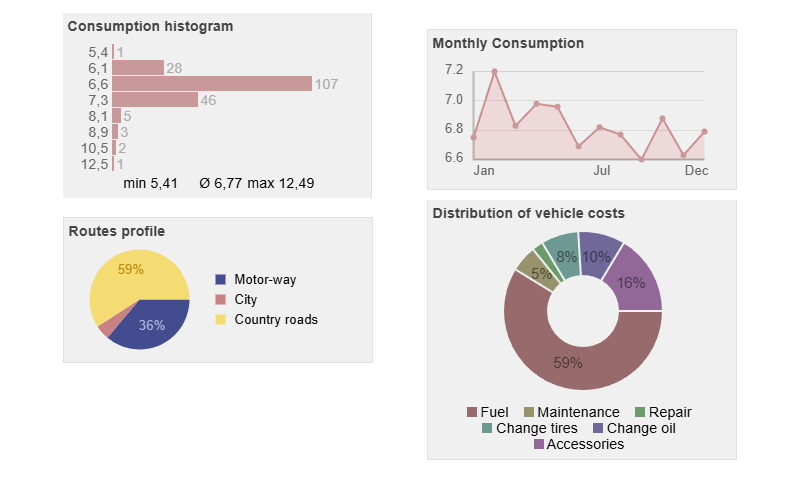
The cost distribution slightly reduced the fuel component (-2%) in favor of maintenance
Leave a message