Introduction
South of the autonomous region of Andalusia, between Seville and Málaga, lie two mountain ranges (the Sierra de Grazalema and the Sierra de Ronda) that host a group of villages known as the Pueblos Blancos (white villages).
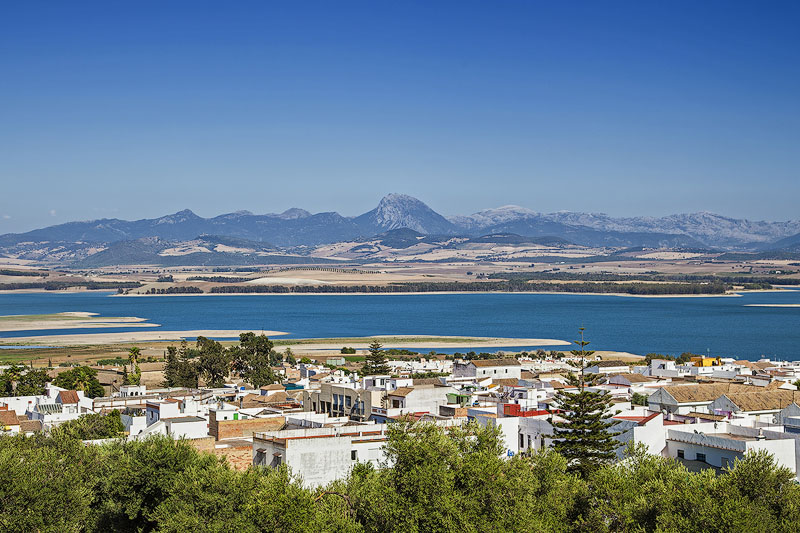
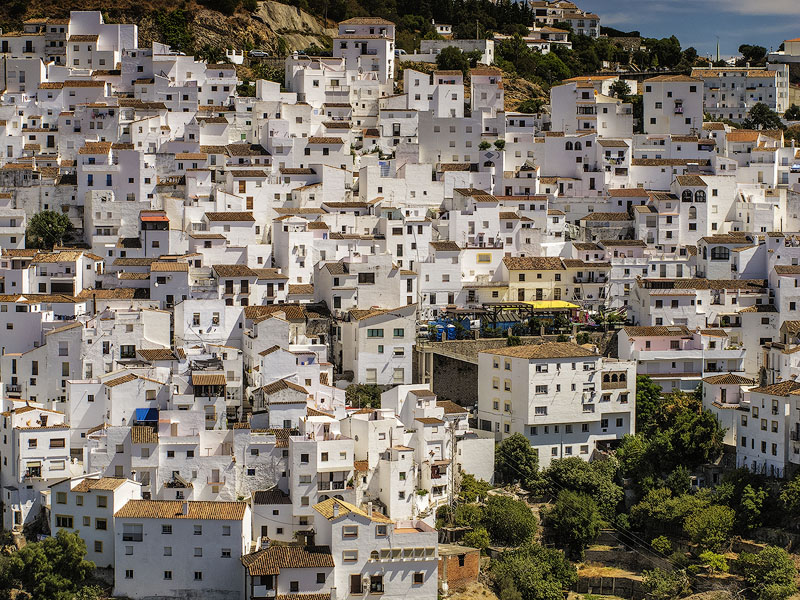
Almost all of them have an Arab origin, easily recognized in the labyrinthine urban layout of the oldest parts of these villages. With the reconquest of the entire South of Spain, the resident Moors were offered two options: convert to Christianity and live as Moriscos (converted Muslims), or be stripped of all possessions and expelled. Many chose conversion (while secretly continuing to practice Islam), but under persecution they sought refuge in the mountains, creating or reinforcing small existing settlements. It was in these places that they built small, clustered houses around narrow streets reminiscent of the medinas of North Africa.
Thus were born some of the Pueblos Blancos, small isolated hamlets of whitewashed houses hidden in the mountains.
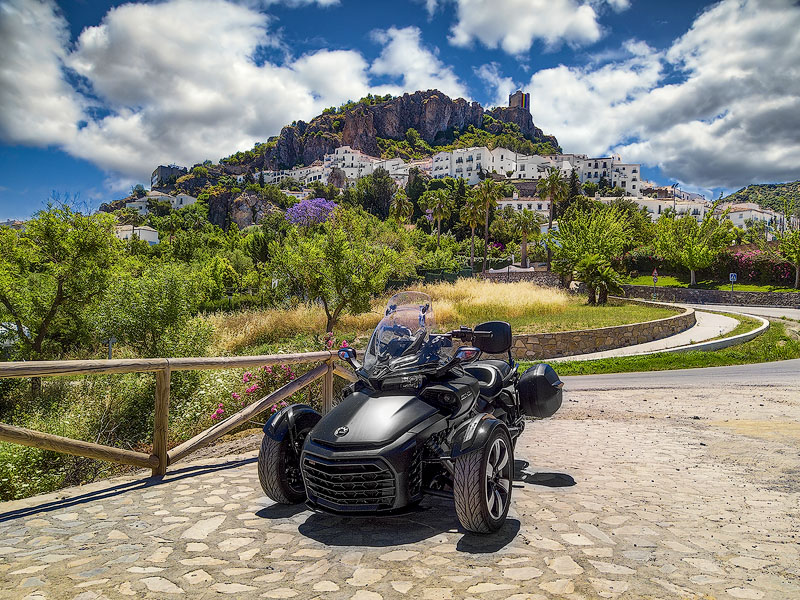
A curious fact is the presence of the suffix "La Frontera" (meaning: the border) in the names of some villages and towns. One explanation is that as the Christians reconquered territory, new frontiers were established, and the settlements located on these borders received the name.
There are many Pueblos Blancos, most of them located in the Sierra de Grazalema and its surroundings. The mountains south of Ronda also host some noteworthy villages.
Although all have their charm, there is a small group that stands out for its location and/or for the way it has managed to preserve its authenticity over time.
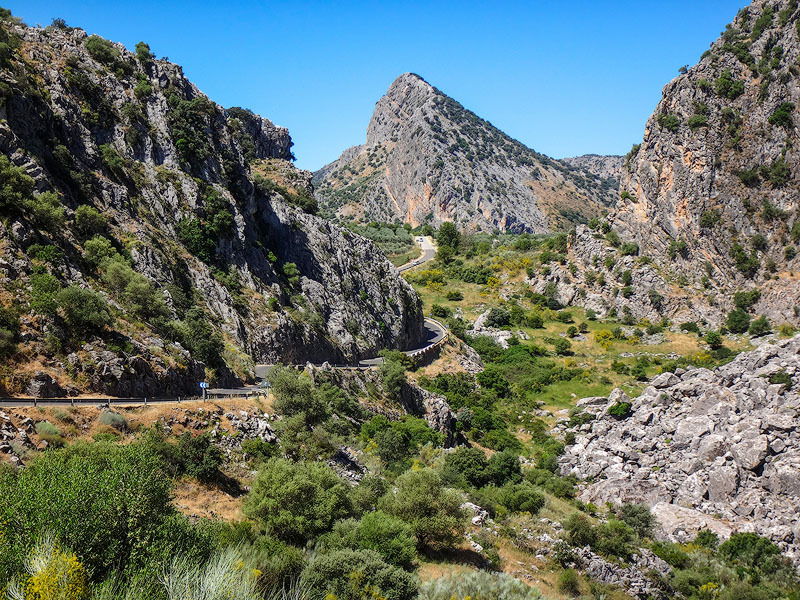
It is this selection that we propose as an itinerary stretching across the two mountain ranges.
The route is designed for 2 or 3 days, though it can be shorter if limited to just one range.
Sierra de Grazalema
Arcos de la Frontera El Gastor Grazalema Montejaque Olvera Setenil de las Bodegas Ubrique Villaluenga del Rosario Zahara de la Sierra
Sierra de Ronda
Casares Gaucín Júzcar Ronda
Although Ronda is not a pueblo blanco, it is a mandatory stop due to its importance and great tourist interest. It may also be the perfect place to spend the night and serve as a base for the journey.
The recommended seasons for this route are the usual ones: late spring, early summer, and early autumn.
An important note: surprisingly, Grazalema is the rainiest place in all of Spain (about 77in/1,962mm average annual rainfall). It is therefore important to check the weather forecast and be prepared with proper rain gear if necessary.
Also worth mentioning is that practically all the roads through the two ranges (Grazalema and Ronda) are paved. However, there are still some unpaved segments and others with asphalt in poor condition. The itinerary avoids these stretches and includes only paved roads in reasonable condition .
Leave a message