Introduction
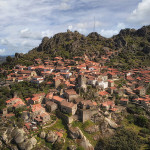
They are mostly located in the Central region, and there are officially twelve places that make up the network of Historic Villages of Portugal. They are all distinct in their own way, yet they share the same essence: a very ancient origin, in most cases predating the foundation of the Portuguese nation.
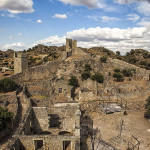
As such, all these places preserve a rich historical and popular heritage, with practically every one of them featuring a castle, fortress, or defensive wall. It is also no coincidence that most of these "villages" are situated in territories once disputed between the kingdoms of Portugal and León, something that contributes to their historical significance.
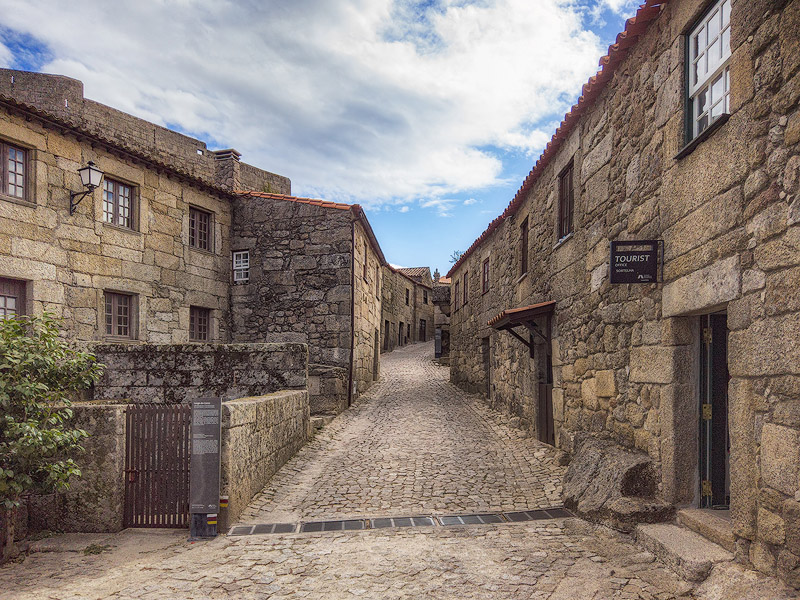
The Historic Villages of Portugal project was created in 2007 by the Tourism Development Association (a private, non‑profit entity) with the purpose of promoting the tourism development of Almeida, Belmonte, Castelo Mendo, Castelo Novo, Castelo Rodrigo, Idanha-a-Velha, Linhares da Beira, Marialva, Monsanto, Piódão, Sortelha, and *Trancoso. Strictly speaking, not all of them are villages — some are towns and others are cities.
In addition to promoting the Historic Villages brand, the association also supports local economic and tourism evelopment by backing cultural activities and initiatives that help disseminate the region’s cultural heritage. In this context, the association maintains a very interesting information portal that gathers news and events as well as extensive information about the network.
However, the network is not limited to these twelve selected places. There are other nearby villages that are equally historic and important, and therefore deserve a place in the itinerary.

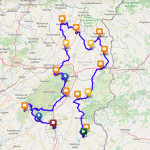
A circular route is therefore proposed, starting in Idanha-a-Velha, heading North to Sortelha, then to Sabugal, and along the border to Castelo Mendo. From there, the route continues through the fortified city of Almeida towards Castelo Rodrigo. Next, the itinerary moves inland with stops in Pinhel, the Falcon City, the village of Marialva, and a detour to the town of Penedono, which, although not part of the network, deserves a visit for its castle alone. From here, the route heads South, passing through the city of Trancoso and the village of Linhares da Beira, already at the top of the Serra da Estrela Natural Park.
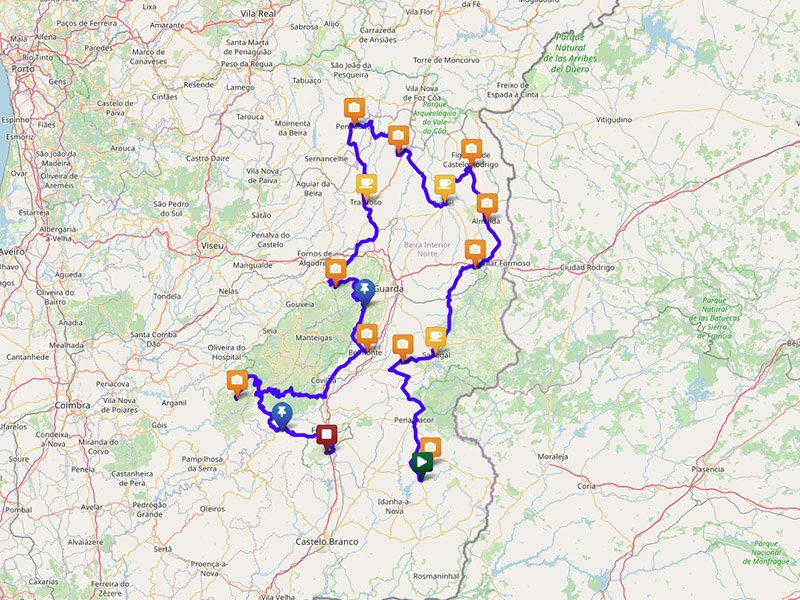
Then comes a short hop to the town of Belmonte on the Eastern side of the Serra, and from there to another mountain range, the Açor, to discover the charming village of Piodão. The route ends in the village of Casal Novo, near the Serra da Gardunha, with very easy access to the A23 for the return home.
As usual, Spring (or early Summer) and Autumn are the most suitable seasons to complete the circuit, since the central inland region typically experiences extreme weather — very hot at the peak of Summer and with negative temperatures in Winter
Leave a message